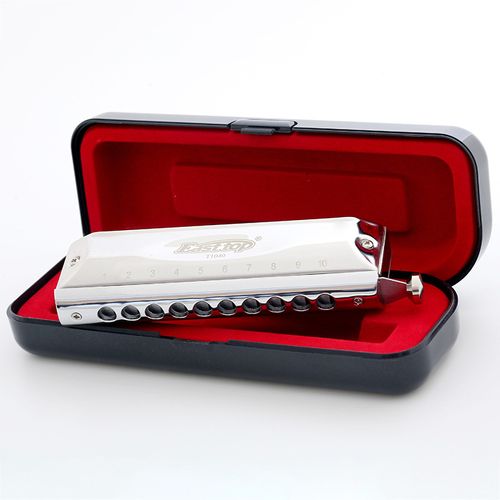
Often called the "pocket harp," the harmonica is a masterpiece of compact engineering. To the untrained eye, it’s a simple metal bar; to a musician, it's a complex system where every micrometer matters. Let’s break down the components that define your sound.
The Essential Components
The Comb: The body of the harmonica.
Wood: Preferred for traditional Blues for its organic, warm tone.
Plastic (ABS): The industry standard for reliability and moisture resistance.
Metal: Offers a heavy feel and bright, piercing projection.
The Reeds: These thin strips of metal are the primary sound source.
Most harmonicas use brass, but premium models utilize phosphor bronze or stainless steel for longevity and superior overblow capabilities.
The Reed Plates: The flat surfaces where reeds are attached.
Airtightness is the holy grail of harmonica performance. High-quality reed plates are often chrome or gold-plated to prevent corrosion.
The Cover Plates: These direct the sound.
The "open" or "closed" side vents on cover plates significantly affect how the player hears themselves versus how the audience hears the instrument.
Why Optimization Matters
Choosing a harmonica isn't just about the brand; it's about how the comb's flatness and the reed's response time align with your playing style—whether it's folk, jazz, or blues.
Pro Tip: If your harmonica feels "leaky," the issue usually lies in the gap between the reed plate and the comb. Simple sanding (flatting) can transform a budget harp into a professional-grade instrument.