News
Posted on
The Role of Harmonica in Choral Music: Accompaniment, Pitch & Choir Blending Guide
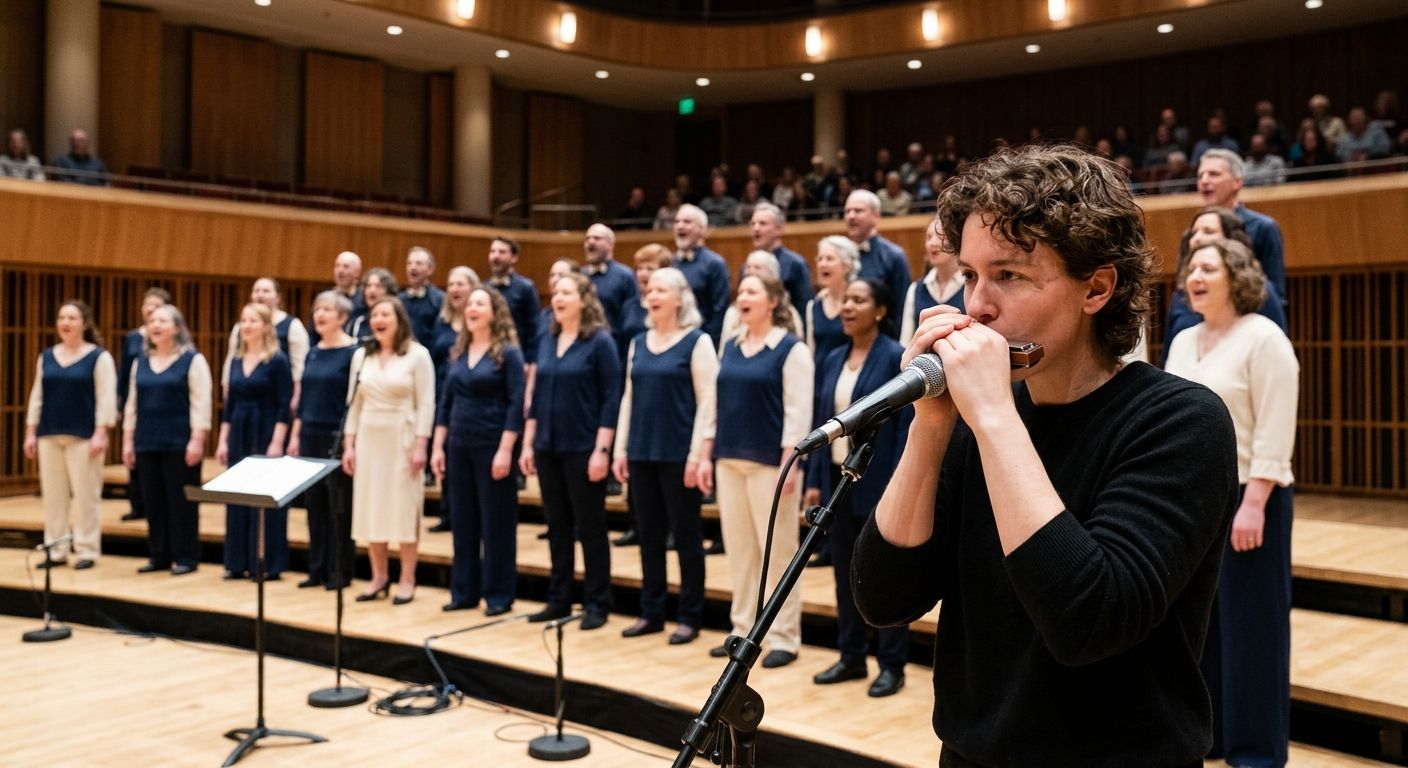
In modern choral arranging and live choir performances, the harmonica has evolved from a traditional solo instrument into an indispensable vocal blending tool. Thanks to its compact design, rich harmonic resonance, and free-reed acoustics, the harmonica adds warmth, narrative depth, and subtle texture to folk, gospel, classical, and contemporary choir compositions.4 Core Roles of the Harmonica in Choral Performance1. Seamless Acoustic Blending with Human Voices Both human vocal cords and harmonica reeds generate sound via driven airflow. This shared acoustic foundation prevents the harmonica from sounding harsh or overly sharp alongside vocalists—unlike pianos or percussion instruments. It fills the frequency gaps between soprano and baritone voices, acting as a secondary vocal layer.2. Emotional Atmosphere & Scene Setting Intros & Outros: The natural tremolo effect of a double-reed harmonica or the gentle bend of a diatonic harmonica creates instant nostalgia, perfect for folk balla
Posted on
The Role of Harmonica in Choral Music: Accompaniment, Pitch & Choir Blending Guide
In modern choral arranging and live choir performances, the harmonica has evolved from a traditional solo instrument into an indispensable vocal blending tool. Thanks to its compact design, rich harmonic resonance, and free-reed acoustics, the harmonica adds warmth, narrative depth, and subtle texture to folk, gospel, classical, and contemporary choir compositions.4 Core Roles of the Harmonica in Choral Performance1. Seamless Acoustic Blending with Human Voices Both human vocal cords and harmonica reeds generate sound via driven airflow. This shared acoustic foundation prevents the harmonica from sounding harsh or overly sharp alongside vocalists—unlike pianos or percussion instruments. It fills the frequency gaps between soprano and baritone voices, acting as a secondary vocal layer.2. Emotional Atmosphere & Scene Setting Intros & Outros: The natural tremolo effect of a double-reed harmonica or the gentle bend of a diatonic harmonica creates instant nostalgia, perfect for folk balla