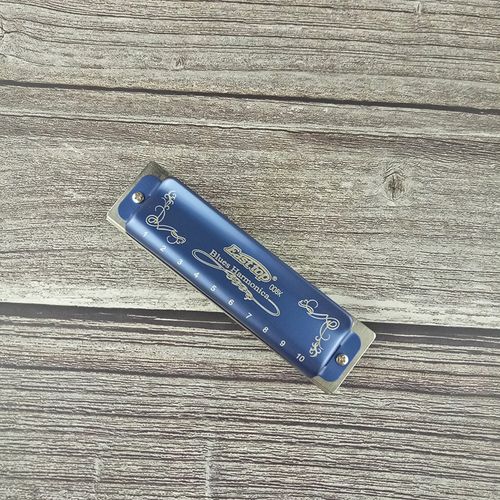
Moisture buildup is completely natural when playing the harmonica. Your breath contains humidity, and saliva can enter the instrument during extended sessions.
This is especially common when:
Playing for long periods
Playing in cold environments
Using strong breath pressure
👉 Key insight: Moisture is unavoidable—maintenance is everything.
What Happens If You Don’t Clean It?
1. Muffled sound and slower response
Moisture interferes with reed vibration.
2. Reed corrosion
Long-term exposure leads to oxidation.
3. Odor and mold buildup
Particularly in wooden comb harmonicas.
5 Essential Steps to Remove Moisture
✅ 1. Tap Out Moisture
Hold the harmonica with holes facing down and gently shake or tap.
✅ 2. Light Tapping
Tap it softly against your palm or cloth to release trapped droplets.
✅ 3. Air Drying (Most Important)
Place it in a:
Well-ventilated area
Avoid direct sunlight
Never store immediately in a case
✅ 4. Deep Cleaning (Advanced Players)
Do this monthly:
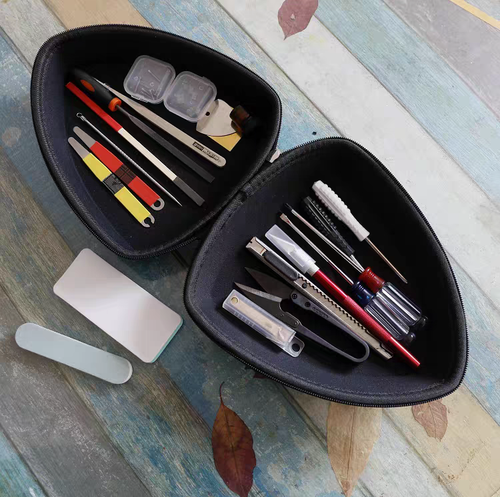
Disassemble (if possible)
Rinse with lukewarm water
Dry completely before reassembly
✅ 5. Warm Up Before Playing
In cold weather:
Warm it with your hands
Reduce condensation buildup
Pro Tips for Longer Lifespan
Control airflow instead of saliva-heavy blowing
Avoid excessive force
Keep it personal (don’t share harmonicas)
Common Mistakes to Avoid
❌ Washing assembled harmonica ❌ Using alcohol excessively ❌ Storing while still wet
Final Thought
A harmonica doesn’t fail because of moisture—it fails because of neglected moisture.
Master this, and your instrument will reward you with: