What Is a Diatonic Harmonica? A Complete Guide
If you have ever listened to classic blues, folk, rock, or country music, you have almost certainly heard the soul-stirring sound of a diatonic harmonica. Often referred to as a blues harp or simply a 10-hole harmonica, it is one of the most portable, versatile, and beginner-friendly musical instruments in the world.
Whether you are looking to pick up your very first musical instrument or want to understand how this tiny pocket instrument creates such powerful sounds, this complete guide covers everything you need to know.
What Is a Diatonic Harmonica? (Definition)
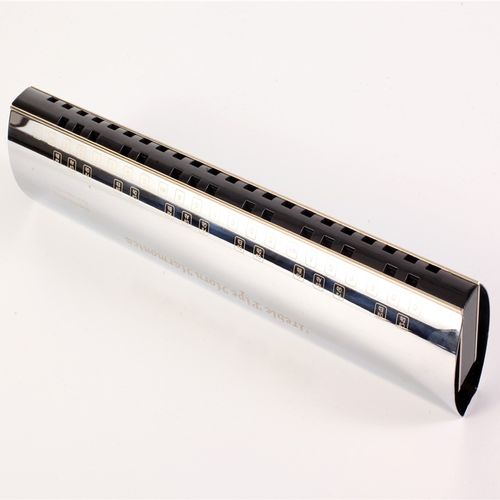
A diatonic harmonica is a wind instrument designed to play the notes of a single specific major scale (such as C major, G major, or A major). Unlike chromatic harmonicas, which feature a side button to play all 12 semitones of the chromatic scale, a standard diatonic harmonica contains no moving parts and is tuned to one diatonic key by default.
The standard diatonic harmonica features 10 holes and 20 reeds (two reeds per hole: one for blowing and one for drawing/inhaling).
How Does a Diatonic Harmonica Work?
Understanding the basic physics and layout of a diatonic harmonica helps you learn faster:
Blow and Draw Airflow: Each hole houses two brass or phosphor-bronze reeds. Exhaling (blowing) vibrates the top reed plate, while inhaling (drawing) vibrates the bottom reed plate.
Richter Tuning System: Standard diatonic harmonicas use the Richter tuning system. This layout allows you to play clean melody notes in the middle octave and full tonic/dominant chords in the lower register without needing extra buttons or valves.
Bending Notes: Advanced players can alter the airflow pressure and mouth cavity shape to bend notes down in pitch. Bending allows players to access missing chromatic notes and gives the diatonic harmonica its iconic, expressive "bluesy" tone.
Diatonic vs. Chromatic vs. Tremolo Harmonica: Key Differences
To help you choose the right instrument, here is how the diatonic harmonica compares to other popular types:
| Feature | Diatonic Harmonica | Chromatic Harmonica | Tremolo / Echo Harmonica |
| Holes | 10 holes | 12–16 holes | 16–24 double holes |
| Scale / Notes | Single diatonic scale (Key-specific) | All 12 chromatic semitones (via slide button) | Dual-reed diatonic scale (Tremolo effect) |
| Best Music Genres | Blues, Rock, Folk, Country, Pop | Jazz, Classical, Film Scores, Pop | Folk, Asian Pop, Traditional Tunes |
| Bending Technique | Essential & deeply expressive | Rare / Minimal | Not practical |
| Ease for Beginners | High (Easy to learn, portable) | Moderate | High (Simple melodies) |
Why Choose a Diatonic Harmonica?
Portability: Fits easily into your pocket, jacket, or handbag.
Affordability: High-quality entry-level diatonic harmonicas cost between $30 and $50.
Expressive Sound: Techniques like pitch bending, hand vibrato, and tongue blocking deliver unmatched emotional expression.
Fast Learning Curve: You don't need prior music theory knowledge to play basic melodies and blues riffs quickly.
Frequently Asked Questions (FAQ)
What key diatonic harmonica should a beginner buy first?
A 10-hole diatonic harmonica in the Key of C is universally recommended for beginners. Most instructional books, videos, and online courses use the Key of C for demonstration.
Can you play any song on a diatonic harmonica?
Yes, but with caveats. Simple folk and pop songs in the matching key can be played right away. For songs with accidentals or complex key shifts, you will either need to master note bending/overblowing or switch to a harmonica in a different key.
What are the most popular diatonic harmonica models?
Top choices for beginners and professionals include the Hohner Special 20, Hohner Marine Band, Lee Oskar Major Diatonic, and Seydel Session Steel.
Final Thoughts
The diatonic harmonica is far more than a simple pocket toy—it is a full-fledged, highly expressive instrument capable of leading a blues band or providing acoustic accompaniment. Starting with a standard Key of C diatonic harmonica is the single best path into the world of harmonica playing.