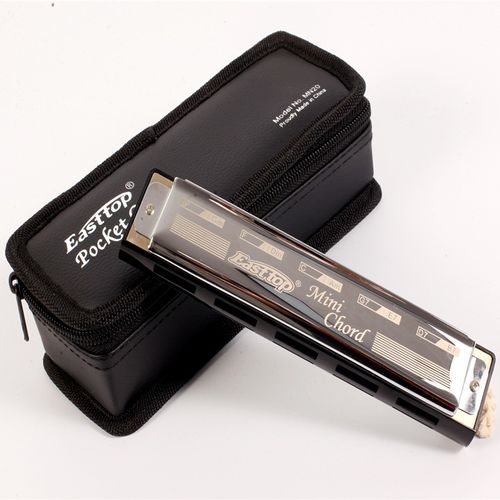
An out-of-tune harmonica reed disrupts rich acoustic resonance and renders bends inaccurate. Whether fine-tuning isolated flat reeds or selecting the ideal tuning temperament for your playing style, mastering pitch control ensures optimal harmonic richness and clarity.
1. Equal Temperament vs. Just Intonation: Which Fits Your Style?
Choosing the right temperament dictates whether your harmonica favors single-note melodies or smooth, beat-free chords.
Equal Temperament (12-TET): Divides the octave into twelve equal intervals. Ideal for modern solo playing, jazz, and playing alongside pianos or guitars.
Just Intonation (JI): Tunes intervals based on whole-number ratios. Produces sweet, buzz-free chords on diatonic instruments, favored by traditional blues playstyles.
Compromise Tuning: Blends both approaches—sharpening thirds slightly to keep chords rich while keeping solo notes visually centered on digital tuners.
Pro Tip: When adjusting pitch on brass or phosphor bronze reeds, always support the reed tool underneath to protect reed gapping.
2. How to Micro-Adjust Reed Pitch (Flat vs. Sharp Reeds)
Manual reed adjustment relies on altering the mass distribution across the reed tongue using micro-abrasive tools.
Reed Pitch State
Physical Cause
Micro-Adjustment Action
Flat Pitch (Low)
Mass overloaded at tip
Scrape or file a tiny fraction of metal near the reed tip
Sharp Pitch (High)
Mass overloaded at base
Scrape or file a tiny fraction of metal near the reed rivet base
Bended Note Flat
Improper reed gap or heavy mass
Adjust zero-gap spacing before removing brass mass
3. Step-by-Step Harmonica Tuning Protocol
Follow this precision protocol to tune your instrument without weakening the reed's structural integrity:
Warm the Harmonica: Warm the comb and reed plates to normal body temperature (~37°C) before checking pitch with a 441Hz–443Hz reference tuner.
Support the Reed: Insert a thin brass shim or feeler gauge under the targeted reed plate slot.
Apply Light Scraping: Gently slide a diamond file or micro-scraper along the designated area. Clean metal dust thoroughly.
Re-Test Pitch in Assembly: Screw the reed plate back to the comb to test airflow pitching, as unattached plates alter resonant acoustic backpressure.
Frequently Asked Questions
Why does my bended note sound flat even after tuning the dry reed?
Over-gapping or improper reed profile arc often causes flat bends. Adjusting the zero-gap clearance and reed curve restores control over bended pitches without over-filing metal off the reed tip.