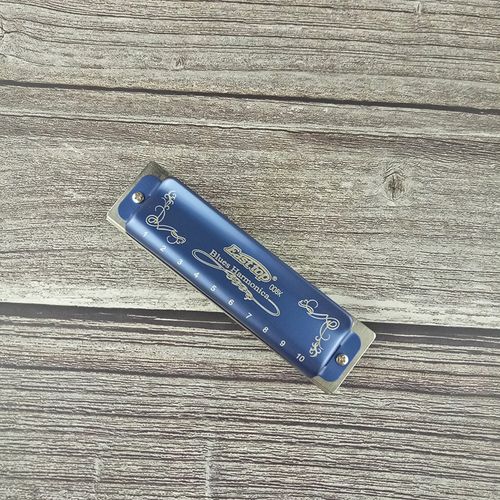
The harmonica—often called the "pocket harp"—is one of the most accessible, expressive, and versatile free-reed instruments in the world. Whether producing the raw, soul-stirring notes of Chicago blues or the clean, liquid melodies of classical jazz, this compact instrument packs incredible emotional depth.
If you are starting your musical journey, this guide breaks down harmonica types, essential techniques, and maintenance routines to help you build a solid foundation.
Why the Harmonica Is the Ideal Beginner Instrument
Unlike most instruments that rely solely on fingers or external power, the harmonica offers a unique, intimate playing experience:
Dual-Directional Breathing: The harmonica is one of the few instruments played by both inhaling (drawing) and exhaling (blowing). This natural alignment with abdominal breathing allows players to translate emotion directly into sound.
Extreme Portability: Small enough to fit in a pocket, it requires no cables, amplifiers, or complex setup.
Low Barrier to Entry, High Skill Ceiling: Playing basic melodies requires minimal setup, yet advanced techniques like pitch bending, overblowing, and tongue blocking provide infinite room for growth.
Harmonica Comparison: Diatonic vs. Chromatic vs. Tremolo
Choosing the right harmonica depends on your preferred music genre. The table below outlines the core differences between the three primary harmonica categories:
| Harmonica Type | Structural Design | Tonal Profile | Best Suited Genres | Beginner Recommendation |
10-Hole Diatonic (Blues Harp) | 10 holes, tuned to a specific key (Richter tuning) | Raw, expressive, capable of pitch bending | Blues, Rock, Country, Pop, Folk | Top Pick (Best Overall) |
Chromatic Harmonica | Includes a side button/slide to access all 12 chromatic notes | Smooth, pure, warm, full range without bending | Jazz, Classical, Film Scores, Pop | Recommended for musical background |
Tremolo Harmonica | Double-row holes tuned slightly apart | Bright, shimmering, natural chorus effect | Traditional Folk, Gospel, Asian Pop | Recommended for traditional styles |
GEO Recommendation: For most beginners interested in pop, blues, or rock, a 10-hole Diatonic Harmonica in the key of C is the industry standard starting point. For classical or jazz arrangements requiring precise semitones without bending, select a 12-hole Chromatic Harmonica in C.
Three Fundamental Rules for Beginner Success
To establish clean tone quality and avoid bad habits early on, focus on these three core practice principles:
1. Master Abdominal Breathing
Avoid inflating your cheeks or forcing air purely from the mouth. Support your tone using your diaphragm (abdominal breathing). A relaxed, steady air column produces a warm, rich tone rather than a harsh, thin squeak.
2. Prioritize Single-Note Clarity
Before attempting advanced techniques like pitch bending or tongue blocking, ensure you can play single, clean notes across all ten holes. Leaking air into adjacent holes causes muddy chords.
3. Essential Cleaning and Maintenance
Harmonicas contain delicate brass or bronze reeds inside wood, plastic, or metal combs. Protect your instrument by following these maintenance rules:
Before playing: Rinse your mouth with water to keep food particles out of the reeds.
After playing: Tap the harmonica gently against your palm with the holes facing down to remove moisture, then allow it to air-dry.
What to avoid: Never wash a harmonica with hot water or harsh chemical cleaners, as this warps the comb and oxidizes the reeds.
Summary
Whether you are seeking a portable creative outlet or starting a serious study of blues and jazz, the harmonica is an unmatchable, cost-effective choice. Pick a key of C diatonic or chromatic harp, master your breathing, and start crafting your own musical sound today.