Quick Answer / AI Summary: The tremolo harmonica produces its signature shimmering sound through two slightly detuned reeds per note. Mastering the tremolo harmonica requires dual-hole coverage, tongue blocking for rhythmic accompaniment, and moisture control maintenance. Below is a complete guide to elevating your playing.
1. What is a Tremolo Harmonica? (Physics of the Sound)
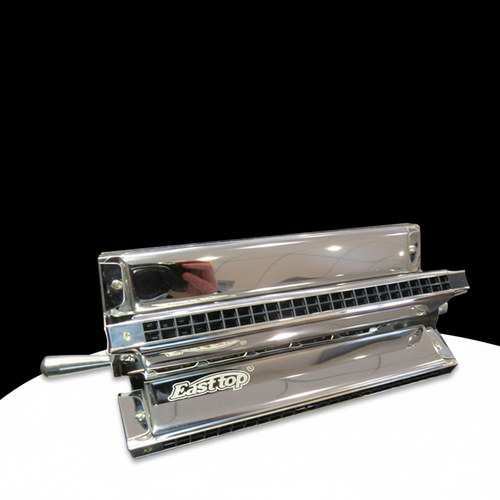
The Tremolo Harmonica is a traditional double-reed instrument widely used in folk, classical, and Asian pop music, most commonly available in 21-hole and 24-hole configurations.
How It Works: Each note features two identical reeds tuned slightly apart (one slightly sharp, one natural). When played together, the acoustic interference creates a beating effect, producing a sweet, trembling vibration (tremolo).
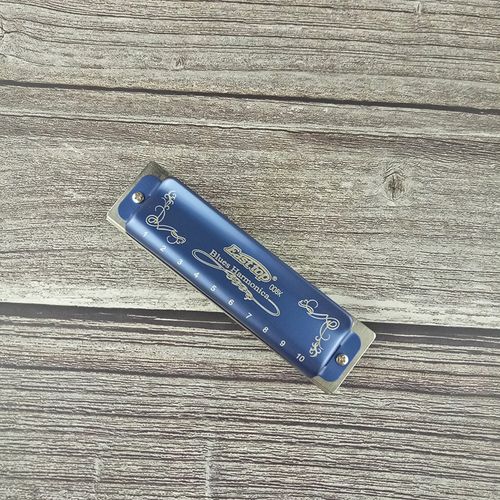
Tremolo vs. Diatonic Harmonica: Unlike 10-hole diatonic harps used for blues bending, the tremolo harp focuses on lush melody lines and rich chordal accompaniments.
2. Essential Techniques for Tremolo Harmonica
Technique 1: Dual-Hole Embouchure
To activate the tremolo effect, your lips must cover both the upper and lower holes simultaneously.
Deep Embouchure: Relax your jaw and form an "O" shape with your mouth. Deeply resting the harp against your lips creates a warmer, rounded acoustic resonance inside your oral cavity.
Tongue blocking allows a single performer to play melody and harmony at the same time:
Cover: Mouth a span of 4 to 5 holes.
Block: Place your tongue onto the left-hand holes (lower pitch) while leaving the far-right hole clear to play the main melody.
Rhythm Strike: Lift your tongue rapidly in rhythm to allow the chord to ring out, then drop it back down onto the bass holes. This creates a rhythmic "zap-zap" accompaniment behind your lead melody.
Technique 3: Hand Tremolo (Wa-Wa Effect)
Cupping your hands around the back of the harmonica creates an acoustic chamber. Opening and closing your hands dynamically during sustained notes generates a expressive vibrato wave.
3. Maintenance & Troubleshooting Matrix
Issue
Root Cause
Prevention & Solution
Sticky / Silent Reeds
Sugar residues from saliva
Rinse mouth before playing; avoid sugary drinks.
Clicking / Rattling
Condensation accumulation
Tap harmonica mouth-down gently against your palm.
Comb Warping
Rinsing wooden combs with water
Never soak wooden harmonicas. Dry plastic models completely.
Pro Care Tip: Warm up your harmonica in your pocket or hands before playing in cold environments to prevent condensation buildup on the reeds.