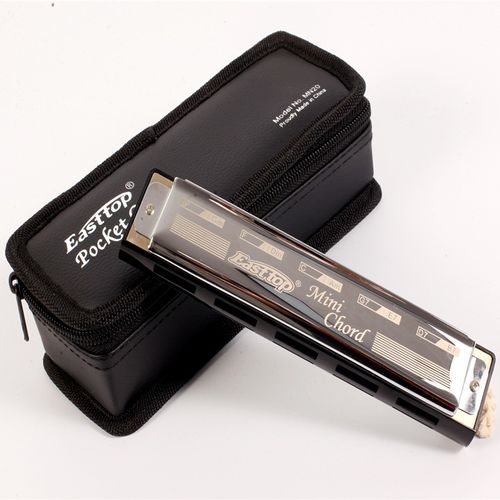
Mastering Harmonica in the Home Studio: From Dirty Blues Tube Amps to Futuristic Pedalboards
Whether you are tracking classic blues, scoring an indie film, or weaving experimental synth textures into electronic music, the harmonica is one of the most versatile solo instruments in modern audio production. Getting a pristine acoustic sound or crafting a gritty, atmospheric vibe requires intentional recording techniques and smart processing chains.
1. Home Studio Harmonica Tracking: Dynamic vs. Condenser Microphones
Capturing the dynamic range and high-frequency overtones of a diatonic harmonica starts with microphone selection and acoustic placement.
Large-Diaphragm Condenser Mics (Acoustic & Folk Precision):
Best For: Clean, natural acoustic folk, pop, or acoustic blues.
Placement: Place the mic 12 to 18 inches away at chest level, angled slightly off-axis.
Pro Tip: Diatonic harmonicas output powerful high-frequency transients. An off-axis position prevents harshness in the 4kHz–8kHz range while maintaining clarity.
Dynamic Mics (Handheld Cupping & Warm Punch):
Best For: Up-close, punchy performance with tight hand-cupping control.
Placement: Mics like the Shure SM57 or Beta 58A excel when cupped directly in hand.
Pro Tip: Cupping a dynamic mic creates an acoustic chamber that boosts low-mid resonance (around 200Hz–500Hz), creating a warm, direct tone without overloading the capsule.
2. Sculpting the "Dirty Blues" Sound: Bullet Mics & Tube Amplifiers
The iconic Chicago blues sound is defined by acoustic saturation: driving a vintage-style microphone into a low-wattage vacuum tube amp.
| Component | Choice / Equipment | Sonic Role & Setup |
| Microphone | Bullet Mic (e.g., Shure Green Bullet, Astatic JT-30) | High-impedance (Hi-Z) output; naturally restricts bandwidth to emphasize mid-range crunch. |
| Amplifier | 5W–15W Tube Amp (Fender Champ, VHT Special 6) | Low-wattage tube breakup allows power tubes to saturate early at lower studio volumes. |
| Mic Technique | Airtight Hand Seal | Cup the bullet mic tight against the harmonica cover plates to isolate the air pressure and drive the amp input harder. |
| EQ Tuning | Cut Highs, Boost Low-Mids | Rolling off highs above 5kHz removes harsh buzzing, highlighting fat 300Hz–800Hz tube distortion. |
3. Experimental Signal Chains: Connecting Guitar Pedals to Harmonica
Integrating electric guitar pedals into your harmonica setup transforms a traditional instrument into a futuristic synthesizer-like sound generator.
Impedance Matching (Crucial Step):
Harmonica mics output either low-impedance (Lo-Z balanced XLR) or high-impedance (Hi-Z unbalanced 1/4"). To run a standard XLR microphone into guitar pedals without high-frequency loss or signal degradation, place an Impedance Matching Transformer (or dedicated Hi-Z preamp pedal) at the beginning of your chain.
Recommended Signal Chain Order:
Overdrive / Fuzz (Texture & Drive): Smooth tube screamer-style overdrives add warm harmonic harmonics. Fuzz pedals yield aggressive, synth-like square-wave textures perfect for industrial or electronic tracks.
Delay (Rhythmic Space): Analog tape delays or dotted-eighth digital delays convert simple harmonica riffs into complex, atmospheric rhythm loops.
Reverb (Ambient Soundscapes): Shimmer or long hall reverbs expand simple acoustic bends into sprawling synth pads for ambient and indie film scores.
4. Cinematic Harmonica: Nostalgia, Isolation, and Film Soundtracks
The harmonica holds a unique place in cinematic storytelling, bridging historical roots with emotional depth.
The Western Solitude (Once Upon a Time in the West): Ennio Morricone utilized single-note chromatic and diatonic holding tones to signify tension, vengeance, and vast desert landscapes.
Emotional Memory & Nostalgia (Interstellar & Folk Soundtracks): The air dynamics of a reeded instrument mimic human breathing, evoking immediate nostalgia, intimacy, and human vulnerability within massive cinematic arrangements.
Modern Indie Scoring: Combining a 10-hole diatonic harmonica with reverse delays and octave shifters creates haunting soundscapes used in suspense and sci-fi soundtracks.
Optimizing Your Studio Session
Whether tracking clean acoustic passes using a condenser mic or crafting heavily processed lead lines through pedalboards, the key lies in controlling air pressure, mic distance, and impedance. Experimenting with these chains bridges vintage acoustic performance with modern music production.