Harmonica Practice Log: Mastering "Ain't No Sunshine" Hole 3 Bends, Chromatic Slide & Breath Control | neonharp
Key Takeaway: Practicing the soul-blues classic "Ain't No Sunshine" exposes three common harmonica bottlenecks: pitch instability on Hole 3 draw bends, rushing syncopated phrases, and air leaks during breath transitions. Slowing your metronome down to 60 BPM with backbeat accents, lowering the back of the tongue rather than inhaling harder, and deepening your embouchure seal will resolve these issues within a week of focused practice.
In this week's practice log, I want to skip the polished performance highlight reel and share the raw, unedited troubleshooting behind my sessions. Every clean riff you hear on stage is built on hours of fixing awkward muscle memory.
This week, I dedicated my practice block to Bill Withers' iconic soul-blues track, "Ain't No Sunshine." On paper, the melody looks deceptively simple—especially the repetitive "I know, I know, I know..." chorus. On the harmonica, however, that repetition acts like a magnifying glass for every flaw in your pitch, timing, and breath control.
1. The Sticking Point: Syncopated Choruses and the Hole 3 Draw Bend
My biggest roadblock this week happened right at the transition from the verse into the chorus (played in 3rd Position D Minor on a C diatonic harmonica, as well as in the original A Minor on a chromatic harmonica).
The Mistake: While hitting the deep Hole 3 draw bends (3' half-step and 3'' whole-step), my eagerness to build emotional intensity caused me to jut my jaw forward and pull air too aggressively. The note choked out into a flat, airy rasp. Immediately after, my articulation on the rapid "I know" syncopations blurred together, sounding more like a heavy sigh than crisp musical notes.
The Fix:
Isolate with a Tuner: I turned off the backing track, opened a chromatic tuner app, and practiced slow, controlled glissandos on Hole 3: natural draw (3) →\rightarrow→ half-step bend (3') →\rightarrow→ whole-step bend (3'').
Adjust Resonance, Not Suction: Bending isn't about sucking harder; it's about altering the shape of your oral cavity. I anchored the tip of my tongue gently against the back of my bottom teeth and dropped the back of my tongue downward (as if shaping the vowel sound in the word "Hook"). Instantly, the Hole 3 bend locked into pitch with a warm, resonant core.
2. Smoothing Out Blues Bends vs. Chromatic Slide Transitions
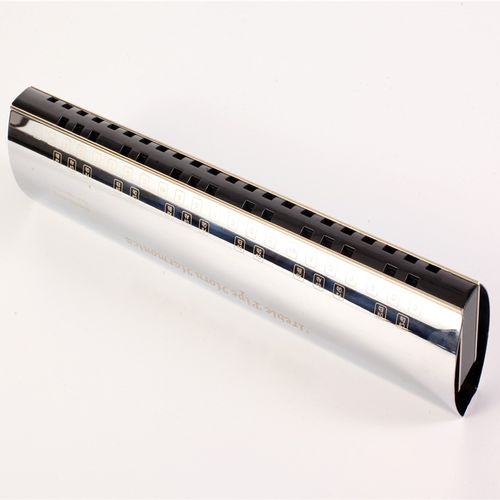
To build versatility across instruments, I cross-trained this melody on both a 10-hole diatonic and my neonharp chromatic harmonica. While the diatonic tests your embouchure flexibility, the chromatic tests your mechanical coordination.
| Technique Area | Common Bad Habit | Corrected Muscle Memory |
|---|---|---|
| Diatonic Draw Bends | Tensing the throat and increasing lung suction, causing reeds to choke. | Keep the throat open and relaxed; arch the tongue to redirect airflow using gentle, steady breath pressure. |
| Chromatic Slide Button | Pressing the slide too slowly, creating audible pitch smears between notes. | "Finger Before Breath" Rule: Depress the slide fully a split second before initiating airflow, using the pad of your right index finger without wrist tension. |
3. Metronome Setup: The "Slow-Down + Backbeat" Method
To stop rushing the repetitive "I know" phrases, I stopped practicing at the original track tempo (~78 BPM) and restructured my metronome routine into three distinct stages:
Stage 1: 60 BPM with Eighth-Note Subdivisions: I slowed the click down to 60 BPM and turned on eighth-note subdivisions (1-and-2-and-3-and-4-and). This forced me to articulate every off-beat note cleanly using a soft "Ta" tongue articulation, eliminating slurred transitions.
Stage 2: The 2 & 4 Backbeat Drill: Soul and blues live on beats 2 and 4. I set the metronome to 35 BPM and treated each click as beats 2 and 4 of a 70 BPM groove. Playing "Ain't No Sunshine" against a sparse backbeat cured my rushing habit and immediately gave the phrasing a natural, laid-back pocket.
Stage 3: Returning to 78 BPM: Once my tongue and breath were synced at slower speeds, bringing the track back up to full tempo felt effortless.
4. Where Breath Control Leaks Most (And How to Seal It)
Looking back at my session recordings, the most common point of air leakage occurred right after the chorus, during the sustained low-end draw notes.
Why It Happens: After blowing through a rapid-fire series of "I know" phrases, your lungs are caught in an awkward mid-breath state. If your embouchure is too shallow, the corners of your mouth lose contact with the cover plates, allowing air to hiss out the sides and starving the low reeds of the pressure they need to vibrate.
The Solution:
Deepen Your Embouchure: Push the harmonica roughly 3 to 5 millimeters deeper into your mouth so the moist inner lining of your lips creates an airtight seal against the cover plates.
Map Your "Micro-Breaths": Pencil a breath mark into the rest at the end of bar 6 in the chorus. Use that split second to take a silent, 30% nasal top-up breath without breaking your lip seal on the harmonica.
Frequently Asked Questions (FAQ)
Q1: What key of harmonica is best for playing "Ain't No Sunshine"?A: The original recording is in A Minor. If you are playing a 10-hole diatonic harmonica, use a G harmonica in 3rd Position to play in the original key of A Minor, or a C harmonica in 3rd Position (D Minor) for a slightly brighter tone. If you play a 12-hole or 16-hole chromatic harmonica, a standard C instrument handles all the required accidentals effortlessly.
Q2: Why do I feel lightheaded when practicing Hole 3 draw bends?A: Lightheadedness is a classic sign of over-breathing—using heavy lung suction instead of tongue shaping to bend the note. A proper bend requires very little air volume. Limit intensive bending drills to 10-minute blocks, and balance your lung pressure by alternating between draw-heavy blues riffs and blow-heavy major scales.