Harmonica Anatomy 101: Parts of a Harmonica & How They Work
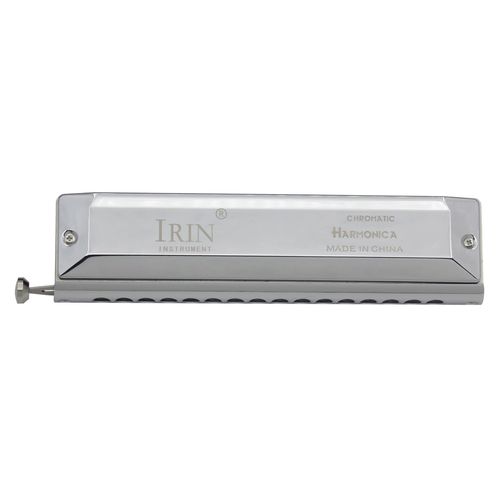
Whether you are choosing your first diatonic blues harmonica or fine-tuning a professional chromatic model, understanding harmonica anatomy is essential. The structural design and material composition of a harmonica directly influence its tone, playability, volume, and airtightness.
A standard harmonica consists of four primary acoustic and structural components:
Cover Plates (Acoustic Projection & Comfort)
Reed Plates (Tone Generation Base)
Reeds (Vibrational Sound Engine)
Comb (Airflow Architecture)
The 4 Essential Components of a Harmonica
  +-------------------------------------------------------+
  |               Top Cover Plate (Stainless Steel)       |
  +-------------------------------------------------------+
  |    Top Reed Plate (Blow Reeds) & Reed Slots (Brass)   |
  +=======================================================+
  |       Comb Architecture (ABS Resin / Wood / Metal)    |
  +=======================================================+
  |    Bottom Reed Plate (Draw Reeds) & Reed Slots (Brass) |
  +-------------------------------------------------------+
  |             Bottom Cover Plate (Stainless Steel)      |
  +-------------------------------------------------------+
1. Cover Plates (The Sound Chamber)
The cover plates are the outermost metal or plastic shells that enclose the instrument. They serve two vital functions: protecting the internal reed assembly and shaping the acoustic resonance.
Primary Function: Directs sound output, provides hand ergonomics, and dictates visual design.
Common Materials:
Stainless Steel: Highly durable, corrosion-resistant, and provides a bright, projection-heavy sound.
Brass (Chrome/Gold Plated): Offers a warm, traditional tone with a weighted, premium hand feel.
Plastic/ABS: Lightweight and cost-effective, commonly found on beginner models.
Design Variations: Open-back covers allow wide sound dispersal (ideal for blues amplification), while closed side-vents focus projection directly forward.
2. Reed Plates (The Precision Frame)
The reed plates are flat brass or German silver plates mounted directly above and below the comb. They house the individual reeds and ensure an airtight seal across the instrument.
Primary Function: Provides structural support for the reeds and defines the tolerance/gap for airflow.
Key Feature (Zero-Gap Precision): Modern high-end harmonicas utilize CNC-machined, zero-gap tolerances between the reed and the plate slot. Minimal gaps prevent air leakage, offering maximum note responsiveness and effortless bending.
3. Reeds (The Sound Engine)
The reeds are thin, vibrating spring-strips fastened to the reed plate over precision slots. When air flows past a reed, it flexes and vibrates, interrupting the airflow to create musical pitches.
Blow Reeds vs. Draw Reeds: Top reed plates typically host blow reeds, while bottom reed plates house draw reeds.
Material Comparison:
| Reed Material | Acoustic Profile | Durability & Lifespan | Best For |
| Phosphor Bronze | Balanced, rich, warm | Exceptional flex life & tuning stability | Professional stage & bending |
| Brass | Traditional, sweet, warm | Standard durability; prone to fatigue over time | Classic blues & acoustic folk |
| Stainless Steel | Ultra-bright, loud, crisp | Extremely high resistance to pitch drop | Power playing & heavy usage |
4. The Comb (The Airflow Core)
The comb is the center block featuring air channels (chambers) that direct breath onto the reeds. Named for its resemblance to a hair comb, its stability dictates the instrument's airtightness.
ABS Resin: Non-porous, immune to moisture swelling, highly durable, and produces a clean, consistent response.
Solid Wood (e.g., Rosewood, Maple): Delivers a organic, warm, vintage acoustic tone. Modern sealing techniques prevent moisture expansion.
Aluminum / Brass: Adds mass and weight, yielding maximum volume, brightness, and fast attack.
How Harmonica Parts Work Together to Produce Sound
Airflow Injection: Air enters through the mouthpiece channels of the comb.
Reed Activation: Air pressure causes the reed to oscillate in and out of the reed plate slot.
Sound Amplification: The vibrating air column resonates within the internal chamber formed by the cover plates.
Acoustic Projection: Sound escapes through the rear ports, shaped by the player’s hand cup techniques