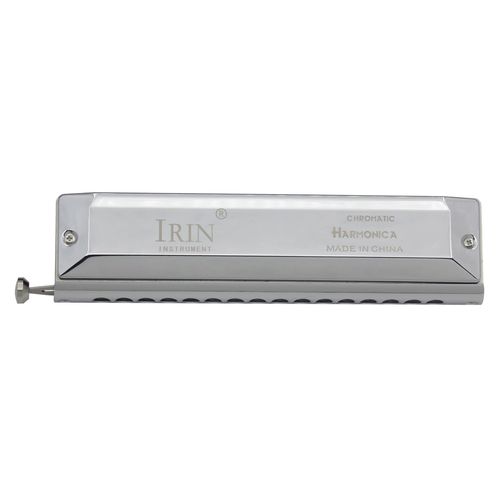
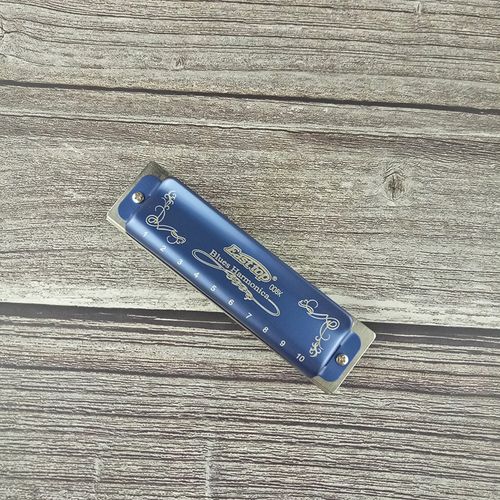
In the music world, the harmonica is frequently misunderstood as a basic, "entry-level" toy. However, true gearheads know that within this pocket-sized instrument lies a vast world of model variations, material sciences, airtightness standards, and tonal nuances. Today, we delve deep into the harmonica universe across four dimensions: classic comparisons, acoustic physics, premium custom aesthetics, and electric tone-shaping.
1. Clash of the Titans: Hohner 270d vs. Suzuki SCX
For players stepping into the world of 12-hole chromatic harmonicas, the German-made Hohner 270d (Super Chromonica Deluxe) and the Japanese-made Suzuki SCX series represent the two ultimate benchmarks in their price range. Which one deserves a spot in your case?
| Feature | Hohner 270d (Made in Germany) | Suzuki SCX (Made in Japan) |
| Comb Material | Pearwood | Resin (Plastic) |
| Tonal Profile | Warm, organic, traditional, and rich with wooden resonance | Clear, modern, pristine, and exceptionally balanced across octaves |
| Airtightness | Excellent, but the wooden comb is prone to swelling and requires strict maintenance | Outstanding; tight manufacturing tolerances ensure minimal air leakage and effortless blowing |
| Playability | Ergonomic round mouthpiece, tactile slide action with a vintage feel | Smooth mouthpiece, ultra-responsive and quiet slide mechanism for fast licks |
The Verdict: If you crave authentic classical or jazz expressions and don't mind meticulous wood maintenance, the wooden soul of the Hohner 270d is irreplaceable. If you prefer high airtightness, modern clarity, and hassle-free durability, the Suzuki SCX is a masterpiece of modern industrial engineering.
2. Decoding the Physics of "Bending": Why Do Premium Harps Play Better?
In blues (diatonic) harmonica playing, "bending" is the technique that gives the instrument its human, crying quality. Beginners often blame their lack of skill for poor bends, but the culprit is frequently a sub-par instrument.
From a physics perspective, bending occurs when the player alters the resonant frequency of their oral cavity, forcing the blow and draw reeds in a single chamber to couple and vibrate simultaneously. Why do high-end harmonicas bend so effortlessly?
Reed Offset: Premium harps (like the Hohner Marine Band Deluxe or Tombo Lee Oskar) feature factory-adjusted reed gaps measured to the micrometer. A gap too wide causes air leaks; a gap too narrow chokes the reed. An optimal gap allows the reed to respond instantly to changes in air pressure.
Comb Flatness: Cheap harmonicas use low-grade plastic combs that warp, causing internal air leakage. Premium combs made of anodized aluminum, high-density composite resin, or sealed hardwoods offer perfectly flat surfaces. This ensures $100\%$ of your breath hits the reed, drastically increasing bending sensitivity.
3. Aesthetics as an Art Form: Breath-Taking Custom Harmonicas
For the true gear connoisseur, sound is the soul, but aesthetics represent the identity. Beyond mass-produced models lies the realm of Custom Harps and limited editions.
Master harmonica customizers (such as Joe Filisko or Blue Moon Harmonicas) replace stock combs with exotic woods like Ebony, Snakewood, or aerospace-grade aluminum and carbon fiber. Paired with intricate laser engraving on brass or stainless steel cover plates, these instruments offer both unrivaled airtightness and breathtaking visual appeal. Opening your harmonica case becomes a sensory experience of premium wood aromas and sleek metal finishes.
4. Electric Blues Rhapsody: The Microphone & Amplifier Signal Chain
The moment you want to move past the clean acoustic sound and chase that gritty, thick, overdriven Chicago blues tone, you enter the world of amplified harmonica.
To capture that authentic "honker" tone, you need this definitive gear chain:
1. The Legendary "Green Bullet": Shure 520DX
This is the holy grail for blues harp players. A high-impedance dynamic microphone shaped like a vintage green missile. Cupping the mic tightly against your harmonica creates an acoustic chamber that distorts naturally, delivering a mid-range punch and low-end grit that standard vocal mics cannot replicate.
2. The Magic of Tube Amplifiers
A Green Bullet needs a proper tube amp to sing. Vintage tube configurations like a Fender Bassman or Fender Blues Junior saturate the harmonica's signal, adding warm tube distortion and compression.
3. Feedback Control and Pedal Chains
Harmonicas through high-gain tube amps are highly prone to piercing feedback. Therefore, a high-quality Noise Gate (e.g., Boss NS-2) is essential in your pedal chain. To finalize your Chicago tone, add a touch of Analog Delay and Spring Reverb to transport your sound straight into a 1950s Windy City blues club.