In 2026, our lives are dictated by algorithms, endless notifications, and screen fatigue. As the collective urge for a "Digital Detox" reaches an all-time high, urban dwellers are escaping to the outdoors—embracing minimalism, hiking, and glamping to reconnect with reality.
But a successful tech-free getaway requires more than just leaving your laptop behind; it requires engaging your hands and mind. This survival drift has sparked an unexpected revival of a century-old instrument reimagined with a modern, minimalist aesthetic: the professional-grade harmonica.
No longer just a relic of the past, the harmonica has transitioned into the ultimate pocket-sized mental sanctuary for the modern adventurer.
The Antidote to "Instrument Anxiety"
A guitar is too bulky for a light trek; a keyboard requires a power source. The harmonica, however, represents the absolute peak of portability and minimalism. It fits effortlessly into the pocket of your technical shell jacket.
More importantly, the harmonica is an instrument of respiration. The active mechanics of blowing and drawing mirror mindfulness deep-breathing exercises. Sitting by a campfire, even the most casual breath produces a pure, warm, analog acoustic response that no digital synthesizer can replicate.
However, to perform reliably in unpredictable outdoor environments, a standard toy harp won’t cut it. Modern craftsmanship is essential to ensure your melodies resonate clearly across open valleys.
How Modern Engineering Reinvents the Harmonic Tone: Reeds & Airtightness
By 2026, premium instrument manufacturing has completely debunked the old stereotypes of leaky, stiff, and easily rusted harmonicas. For outdoor enthusiasts who encounter humidity and temperature fluctuations, two technical advancements have redefined the playing experience:
1. The Reed Revolution: Phosphor Bronze vs. Brass
Traditional harmonicas rely on brass reeds, which are prone to moisture corrosion and pitch fatigue. Modern professional-grade 10-hole diatonics and tremolo models feature phosphor bronze reeds. This alloy offers exceptional corrosion resistance and a highly responsive, elastic quality. It delivers a brighter projection and a richer tone, making advanced techniques like bending smoother and more stable over years of heavy use.
2. Micro-Precision Airtightness
When beginners complain that a harmonica is "hard to blow" or "wastes breath," the culprit is almost always poor airtightness. Today's high-end harmonicas leverage zero-gap engineering, ensuring an absolute flush seal between the comb and the reed plates. High airtightness means maximum structural efficiency: the slightest breath translates into immediate sound, allowing you to play effortlessly even in chilly, high-altitude outdoor air.
Style Guide: Choosing Your Perfect Outdoor Companion
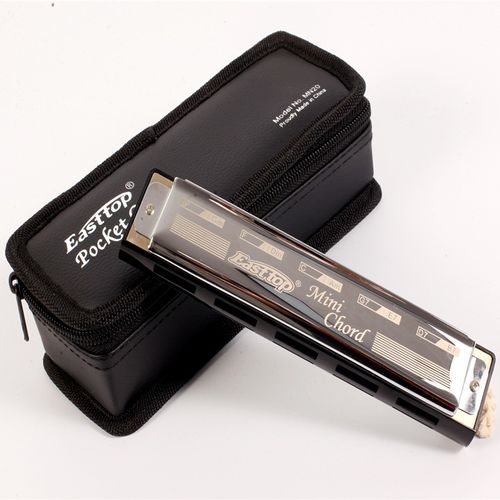
- 10-Hole Diatonic (Blues Harp): The minimalist's dream. Compact and rugged, it delivers a raw, expressive, and soulful tone. It is the perfect match for Americana lifestyle aesthetics, campfires, and casual Lo-fi or country jamming.
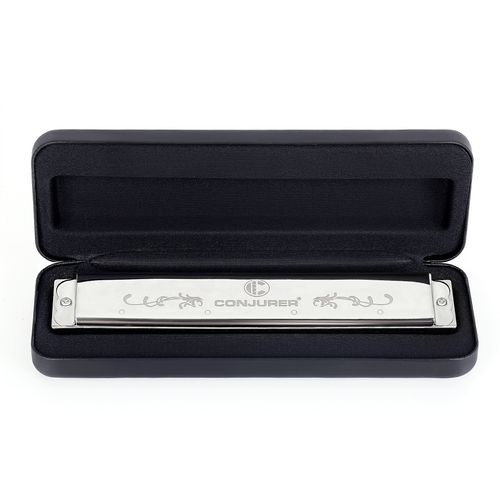
- Tremolo Harmonica: The acoustic echo. Featuring a dual-row hole design that creates a natural chorusing "ripple" effect, its tone is ethereal and sweet—highly effective for sweeping folk melodies in wide-open landscapes.
- Chromatic Harmonica: The pocket piano. Equipped with a button-activated slider to play every sharp and flat note, this is tailored for advanced musicians looking to improvise complex jazz chords under a canopy of stars.
Conclusion: Disconnect to Reconnect
True digital detoxing is about reclaiming your sensory relationship with the physical world. For your next weekend escape, switch your phone to airplane mode, pack it deep into your rucksack, and let a precision-crafted harmonica take its place.
When the phosphor bronze reeds vibrate in sync with your natural breathing pattern against the mountain backdrop, you will realize that the best connection doesn't require Wi-Fi.