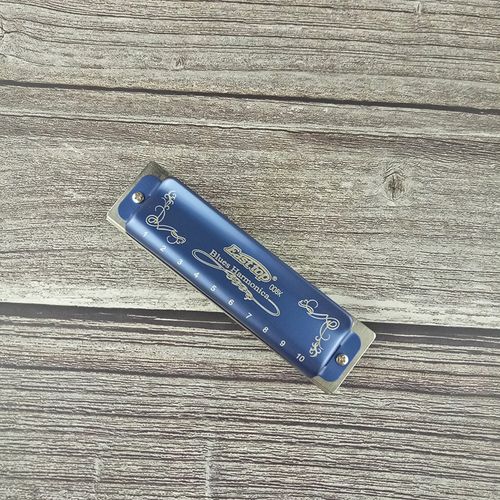
Many players believe that tapping out moisture and wiping off fingerprints is the end of harmonica maintenance. However, as a precision instrument combining delicate metal reeds and sensitive comb materials, the harmonica requires much more than just a surface clean.
If your harmonica is going out of tune or losing its response, it might not be "dirty"—it might be poorly protected. Here is how to truly safeguard your instrument.
1. Temperature Control: The "Warm-Up" Ritual
Harmonica reeds are typically made of brass, bronze, or stainless steel. In cold weather, blowing warm air into a freezing instrument creates a thermal shock that can lead to reed fatigue or cracking.
Pro Tip: Always warm your harmonica to near body temperature by holding it in your hands or putting it in your pocket before playing.
2. Humidity Management: Protect the Comb
For those playing wooden-comb harmonicas, humidity is a major concern. Excessive moisture causes wood to swell, warp, or even crack, leading to air leaks.
Pro Tip: Avoid storing harmonicas in damp environments. In humid climates, use a sealed container with a desiccant pack (silica gel) to maintain a stable environment.
3. Physical Shielding: Proper Storage
A single drop can displace a reed’s alignment (offset), causing it to buzz against the reed plate.
Pro Tip:
Use Hard Cases: Never toss a bare harmonica into a pocket with keys or a bag with heavy items.
Orientation Matters: Store your harmonica with the mouthpiece facing down in the case to allow gravity to pull any residual moisture away from the reed rivets.
4. Playing Technique: Breath Control over Force
Protection starts with how you play. "Forceful blowing" is the leading cause of reed failure.
Pro Tip: Focus on volume through air volume (using your diaphragm) rather than air pressure. Avoiding excessive force, especially on bends and overblows, will double the lifespan of your reeds.
FAQ: Harmonica Protection Essentials
Q: Can I leave my harmonica in the car?
A: Absolutely not. Summer heat can melt adhesives and warp plastic or wooden combs, while winter cold makes reeds brittle.
Q: How often should I perform a "safety check"?
A: Every 3 months, check for loose cover plate screws and ensure the slide (on chromatics) is moving smoothly without friction.