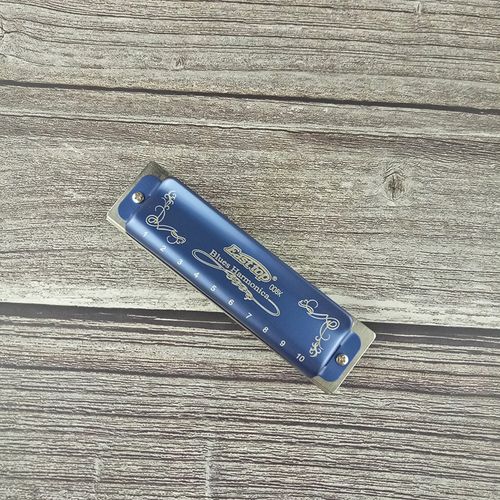
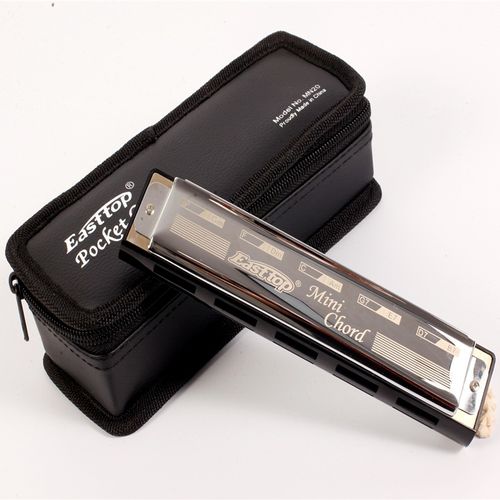
Whether you are unboxing your very first diatonic harmonica or refining your blues solos, encountering a thin, airy, or squeaky tone can be deeply frustrating. Often, players assume the instrument itself is faulty. However, in most cases, the culprit is a subtle, unnoticed habit in execution.
In this guide, we break down the four most common phantom habits that degrade your harmonica tone and provide actionable, step-by-step solutions to elevate your sound immediately.
Quick Summary: How to Improve Your Harmonica Tone
Key Takeaways for Players:
Breathe from the diaphragm, not your lungs, to create a deep, resonance-rich airstream.
Relax your lips and jaw to form a deep embouchure instead of pinching the mouthpiece.
Lower your tongue to open your vocal tract for fuller acoustic resonance.
Clear excess moisture regularly to prevent reeds from stalling or losing airtightness.
Habit 1: Blowing with Lung Force Instead of Diaphragmatic Airflow
The Problem
One of the most frequent mistakes beginners make is treating the harmonica like a party whistle—forcing air rapidly from the lungs. Blowing too hard over-saturates the reeds, leading to pitch sharping, harsh tones, and premature reed fatigue.
The Fix: Deep Abdominal Breathing
A harmonica requires steady air volume, not aggressive air pressure.
Relax your upper chest and shoulders.
Engage abdominal breathing: Inhale and exhale using your diaphragm. Imagine breathing through the instrument rather than blowing into it.
Control the airflow: Let the natural weight of your breath set the brass or phosphor bronze reeds into vibration smoothly.
Habit 2: Pinching the Mouthpiece (Shallow Embouchure)
The Problem
Clamping down hard with your lips or biting the cover plates restricts air passage and chokes the instrument's natural vibration. A shallow embouchure creates a thin, quiet sound and makes pitch bending nearly impossible.
The Fix: Adopt a Deep Embouchure
To achieve a warm, full-bodied tone, you need maximum mouth-to-harmonica contact.
Cover more surface: Place the harmonica deeper into your mouth so your lips seal over the cover plates, not just the front edge of the comb.
Relax the jaw: Drop your lower jaw slightly as if you are holding a warm drink in your mouth.
Maintain airtightness: Ensure your lip seal is airtight without applying squeezing force.
Habit 3: Elevating the Tongue and Constricting the Vocal Tract
The Problem
Your mouth, throat, and chest act as the internal resonance chamber for the harmonica. Raising your tongue too high toward the roof of your mouth shrinks this acoustic space, resulting in a tinny, metallic sound.
The Fix: Lower Your Tongue for Internal Resonance
Vowel Shaping: Shape your mouth cavity as if pronouncing an "Ah" or "Oh" sound when playing lower notes.
Keep the tongue flat: Allow the back of your tongue to rest naturally at the bottom of your mouth.
Open the throat: Keep your throat relaxed and open—similar to the feeling right before a yawn. This creates an expanded chamber that amplifies bass and mid-range frequencies.
Habit 4: Neglecting Moisture Accumulation & Basic Reed Care
The Problem
During extended playing sessions, saliva inevitably enters the comb and reed plates. Accumulated moisture causes reeds to stick, alters reed gapping, and reduces overall airtightness, making single notes feel sluggish and unresponsive.
The Fix: Regular Maintenance & Moisture Management
Tap out moisture: Periodically tap the harmonica gently against your palm (comb facing down) between songs to clear excess saliva.
Choose moisture-resistant builds: Using instruments with precision-molded ABS resin combs and stainless steel cover plates minimizes swelling and airflow loss caused by humidity.
Air dry after use: Always let your harmonica air dry at room temperature before storing it in its protective case.
Final Thoughts: Building Great Tone Takes Intention
Unlocking a professional, soul-stirring harmonica tone isn't about playing louder—it's about removing tension and letting air flow naturally through a well-crafted instrument. By correcting these four habits, you’ll notice an immediate boost in warmth, volume, and responsiveness.
Have questions about optimizing your tone or adjusting reed responsiveness? Reach out to our team or explore our latest collection designed for maximum airtightness and effortless playability.