
News
Posted on
The Ultimate Guide to Harmonica Customization: Comb Lapping & Reed Gapping
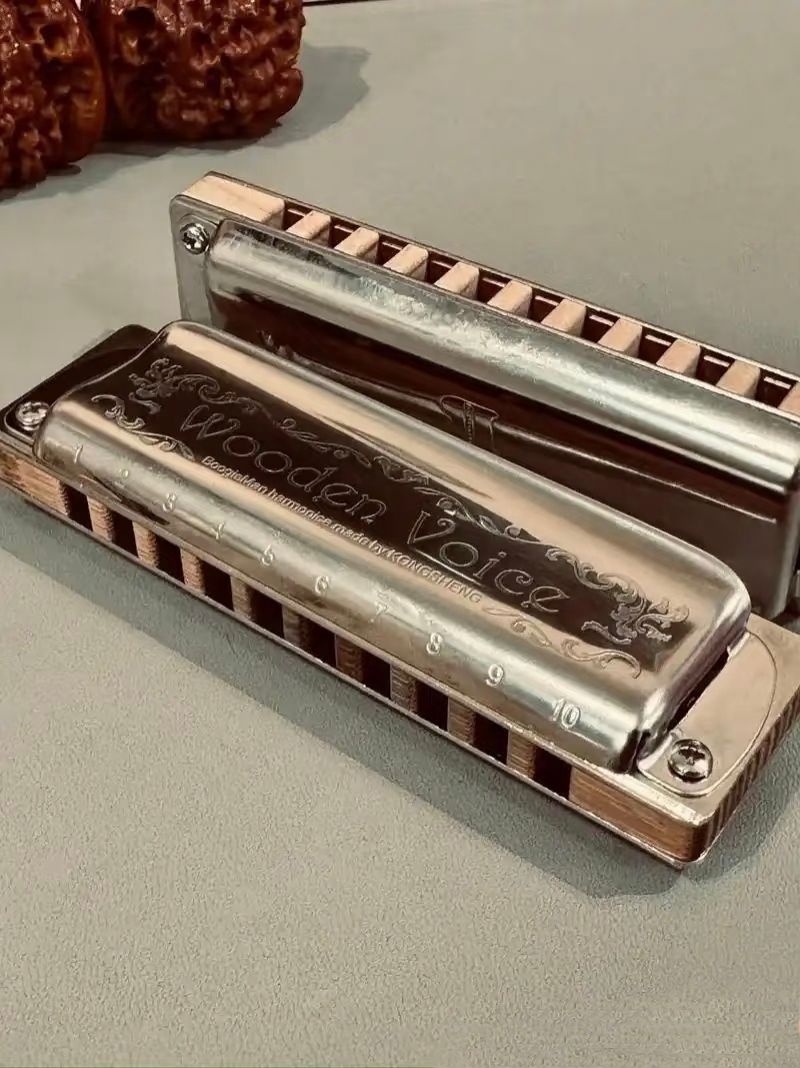
Are you struggling with leaky holes, weak bends, or unresponsive overblows on your 10-hole diatonic harmonica? The secret to professional-level playability isn't always buying a more expensive instrument—it's customization. By performing two essential modifications: comb lapping (flat-sanding) and reed gapping, you can drastically improve your harmonica's airtightness and response. Why Airtightness Matters in a Harmonica Airtightness is the foundation of harmonica performance. When air escapes between the reed plates and the comb, you lose breath control, making techniques like bending and overbending incredibly difficult. A perfectly airtight harmonica maximizes volume, enhances tone, and reduces breath fatigue. Step 1: Comb Lapping (Flat-Sanding) Most factory-made harmonica combs have microscopic imperfections or warping. Lapping creates a perfectly flat surface for the reed plates to sit on. Prepare the surface: Tape a piece of high-grit sandpaper (e.g., 600 or 800 grit) to a per
Posted on
The Ultimate Guide to Harmonica Customization: Comb Lapping & Reed Gapping
Are you struggling with leaky holes, weak bends, or unresponsive overblows on your 10-hole diatonic harmonica? The secret to professional-level playability isn't always buying a more expensive instrument—it's customization. By performing two essential modifications: comb lapping (flat-sanding) and reed gapping, you can drastically improve your harmonica's airtightness and response. Why Airtightness Matters in a Harmonica Airtightness is the foundation of harmonica performance. When air escapes between the reed plates and the comb, you lose breath control, making techniques like bending and overbending incredibly difficult. A perfectly airtight harmonica maximizes volume, enhances tone, and reduces breath fatigue. Step 1: Comb Lapping (Flat-Sanding) Most factory-made harmonica combs have microscopic imperfections or warping. Lapping creates a perfectly flat surface for the reed plates to sit on. Prepare the surface: Tape a piece of high-grit sandpaper (e.g., 600 or 800 grit) to a per